




Li-ion, Flywheel UPS Systems Provide Seamless Emergency Power that’s Efficient, Environmentally Friendly.
When the phrase ‘mission-critical environment’ is used, it’s most often referring to a data center. But the reality is there are many other environments out there that can be considered just as critical. Municipal service facilities such as 911 call centers or emergency dispatch centers are excellent examples of this.
These agencies always have some type of backup system in the event of a power loss – typically an automatic rollover to another facility and/or a diesel generator. But neither are failsafe. What happens if backup power doesn’t kick on for minutes, hours, or not at all? During the February 2021 Texas snowstorm, emergency service centers across the state had to deal with days of rolling blackouts, as well as power surges and spikes that caused backup generators to fail.
Williamson County 911 center loses power overnight Monday — here’s how it affected operations | KXAN Austin
Advantages of Using a UPS System
- Continuity: Experience no outages to critical systems or equipment. Power to the facility, IT infrastructure will remain operational.
- Consistency: Electronics within a UPS tells it when it needs to work and kick in alternate power. This capability eliminates glitches or surges. It allows time to safely shut down main systems if needed.
- Protection: A UPS safeguards against all the oddities of electricity such as surges, spikes, dips. It essentially senses those things and switches to alternate power before the anomalies cause damage.
UPS Selection Considerations
The most common backup power source for UPS systems has historically been lead acid batteries. While having a redundant UPS that uses lead acid batteries is better than not having one at all… there are other options worth considering. Both lithium-ion battery UPSs and flywheel-backed UPSs are more efficient, environmentally friendly and provide a lower total cost of ownership than lead acid battery systems.
Li-ion UPS Systems
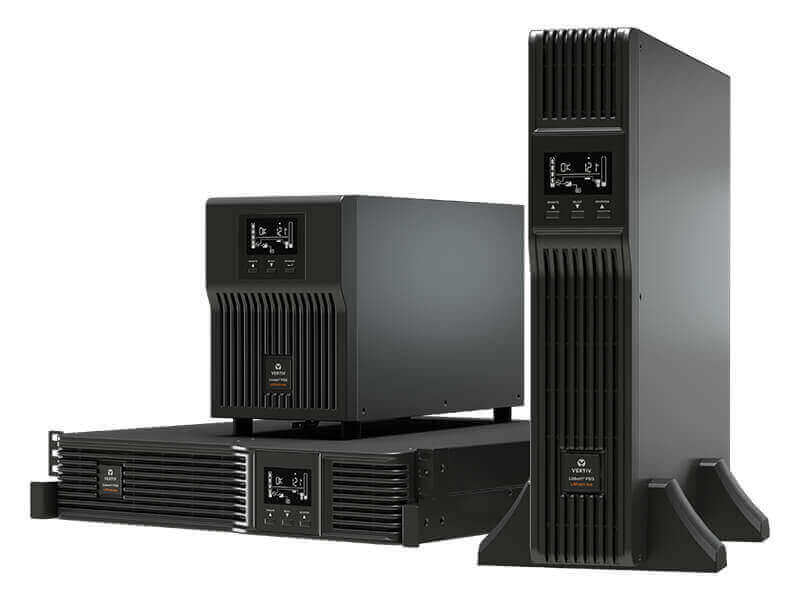
While it’s true that the initial cost of a lithium-ion UPS system is more than a traditional lead acid setup, their many long-term benefits make them a smart choice for server rooms and network closets that support smaller dispatch facilities.
— Lithium-ion batteries are three times lighter than their lead acid counterparts yet have the same amount of energy potential.
— The longer li-ion battery life of the UPS – 2x longer than lead acid – can eliminate the cost of procuring replacement batteries as well as the labor cost for in-person battery replacement.
— Their charging capabilities are four times faster than lead acid batteries.
Flywheel-powered UPS System
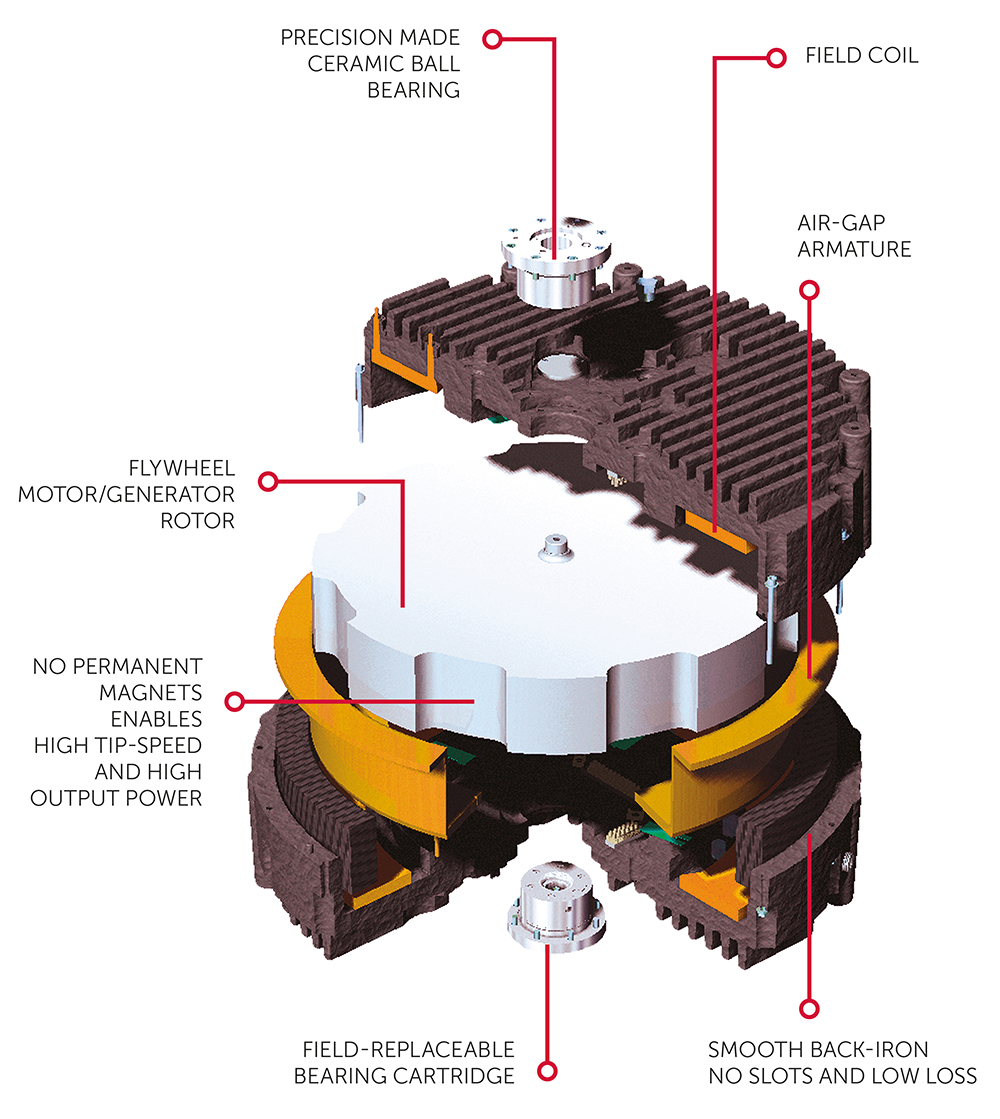
Flywheel-powered UPS systems are battery free – using a kinetic energy storage system that presents the ultimate eco-friendly alternative to lead-acid batteries. Flywheel UPSs are low maintenance, have a longer life cycle than traditional batteries, and can work in any environment.
Because they provide a shorter period of backup power (30-40 seconds), flywheels are best suited for situations where the UPS is only needed to cover fluctuations or gaps between power outages and generator power kicking in. Look to lithium-ion UPS if you require longer runtimes.
Always-on Power for Any Critical Deployment
CEG is helping 911 call centers, police and fire dispatch centers, and other municipal agencies across the country incorporate UPS systems into their backup power plans. From configuration to procurement, our experts can assist our government-purchasing customers with all their power and infrastructure needs. CONTACT US today to ensure your emergency municipal services always have always-on power!
0 Comments